Share the page

Twige Neza, promoting education in Burundi for peace and equal opportunities
Project

-
Project start date
-
Status
Ongoing
-
Project end date
-
-
Project duration
-
6 years
-
AFD financing amount
-
€ 4 000 000
-
Country and region
-
Location
-
Burundi
-
Type of financing
-
Beneficiaries
-
Republic of Burundi
-
Type of beneficiary
-
State
Education is a cornerstone of social cohesion and human capital, and a powerful engine for development. Since 2006, AFD has been providing continuous support to the education sector in Burundi to help meet the needs of a young and rapidly growing population.
Context
Since the introduction of free basic education in 2005, Burundi has seen a strong increase in access and enrolment rates. This rapid growth has put significant demographic pressure on the primary education system, despite reforms put in place. While progress in access and gender parity is encouraging, the system still struggles to keep children in school and faces high repetition rates particularly in fundamental education reflecting challenges in efficiency, quality and equity.
Description
Since 2019, AFD has been co-financing the Twige Neza project with the Global Partnership for Education, for a total of 51.9 million USD, including 4 million EUR from France through AFD. This makes AFD the Government of Burundi’s leading development partner in the basic education sector.
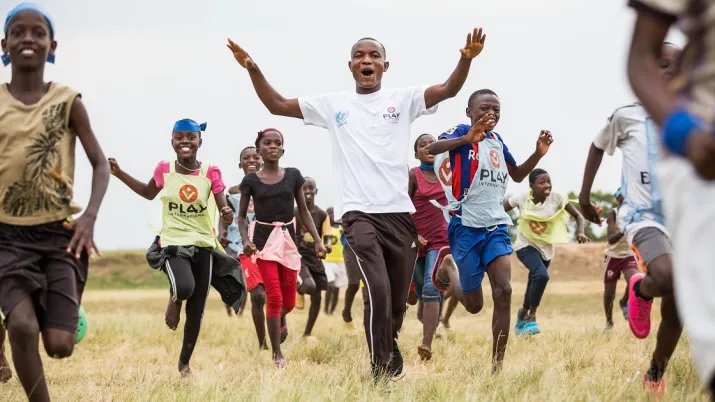
The project is implemented directly by the Burundian Ministry of National Education, in collaboration with UNICEF, WFP, UNESCO, PLAY International, and Libraries Without Borders. Its ambition is to ensure that all Burundian students are able to achieve the objectives of the national curriculum for fundamental education within reasonable timeframes and costs. Through this initiative, AFD provides direct support to the Burundi Education Sector Plan (2022–2030).
Impacts
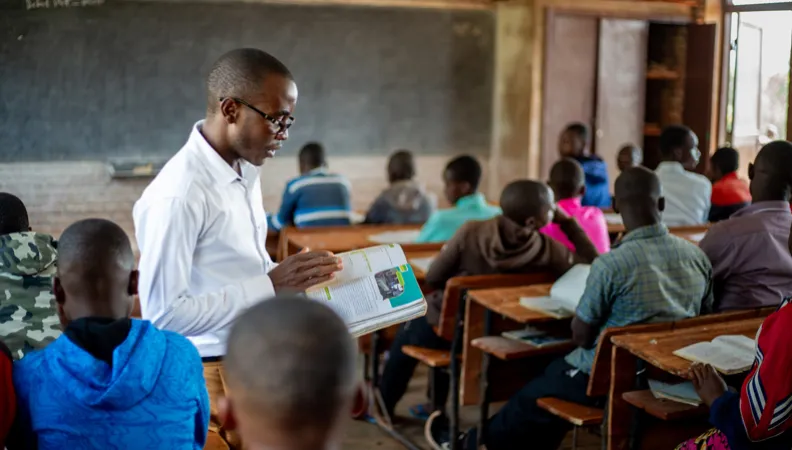
Twige Neza aims to improve access to education, notably through the construction and rehabilitation of 461 fully equipped classrooms, including latrines and school furniture. The project also includes teacher training in French and science, measures to reduce grade repetition, and support for the operationalisation and equipment of 776 school networks.
AFD is also contributing to the expansion of school feeding programmes and to the development of a national inclusive education strategy. In addition, the project will strengthen the resilience of schools by supporting activities that protect children and help them stay in school or return, particularly those who have been repatriated.
Sustainable Development Goals
Quality Education
Goal 4 calls for universal access to free, equitable, quality education at all stages of life, with particular emphasis on eliminating disparities related to gender and income. It also stresses the acquisition of basic and higher-level skills for living in a sustainable society. Targets include building and upgrading educational infrastructure, expanding scholarships for students from developing countries, and increasing the number of qualified teachers.