
Share the page
Costa Rica
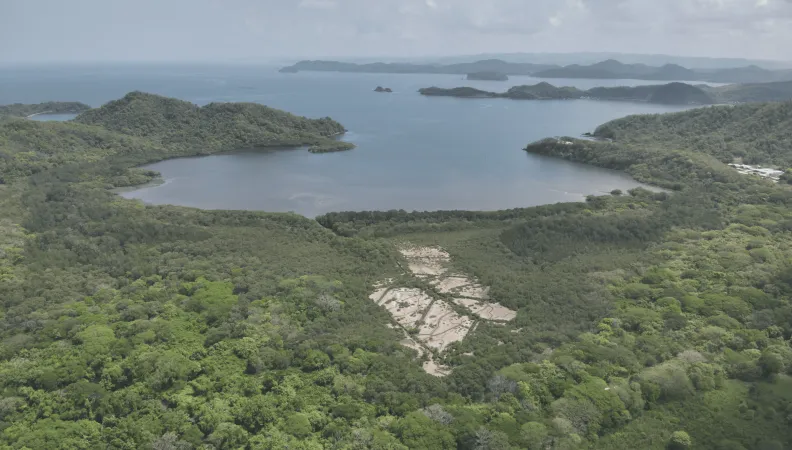
Costa Rica, a country with exceptional ecological wealth, has stood out for its sustained commitment to environmental and biodiversity conservation since the 1980s. Thanks to strong economic performance over the same period, it has doubled its GDP per capita and is now a member of the OECD.
Since 2019, AFD Group has been supporting the country’s green and inclusive transition through various financial instruments and technical cooperation initiatives.
Context
Located in the Central American isthmus, bordered to the north by Nicaragua and to the south by Panama, Costa Rica has a land area of 51,000 km² and a maritime area of 573,000 km². Within the subregion, the country has long stood out for its dynamic economy, political stability, high-level social protection system, and its success in significantly reducing poverty. Since the 1980s, Costa Rica has been committed to protecting the environment and its rich biodiversity – home to 6% of the world’s biodiversity.
However, the country’s economic development and natural resources are now under threat from the impacts of climate change. Costa Rica is among the countries most vulnerable to climate disruption. In response, the ambitious National Decarbonization Plan (PND) 2018–2050 was launched in early 2019. Its goal is to achieve national carbon neutrality by 2050 through actions across all sectors of the economy.
Since beginning its activities in the country, AFD Group has gradually established itself as a key partner for Costa Rican institutions, particularly in the areas of sustainable development and climate action.
AFD has since mobilized over €370 million to support the country’s green and inclusive transition. To help foster innovative solutions for environmentally sustainable and more equitable growth, AFD offers its partners a range of financial instruments. Its projects promote dialogue and knowledge exchange, drawing on France’s expertise in sustainable development.
With social cohesion as the second pillar of its strategy, AFD Group also provides technical support to selected Costa Rican stakeholders and development banks on social issues, including gender and a just transition.
Our approach
AFD Group and Costa Rica: working for an green and inclusive transition
A pioneer in climate action, Costa Rica has set a goal of achieving carbon neutrality by 2050.
AFD is supporting the country on this path and assisting the government in implementing its National Decarbonization Plan. Cooperation efforts focus on promoting electricity use – especially in transport – encouraging low-emission agriculture, improving climate governance, and advancing sustainable land use planning.
AFD is also helping Banco Nacional, the country’s main public bank, to strengthen its climate finance framework. Two credit lines have been dedicated to funding investments with a positive impact on the climate, with a priority on developing electric mobility.
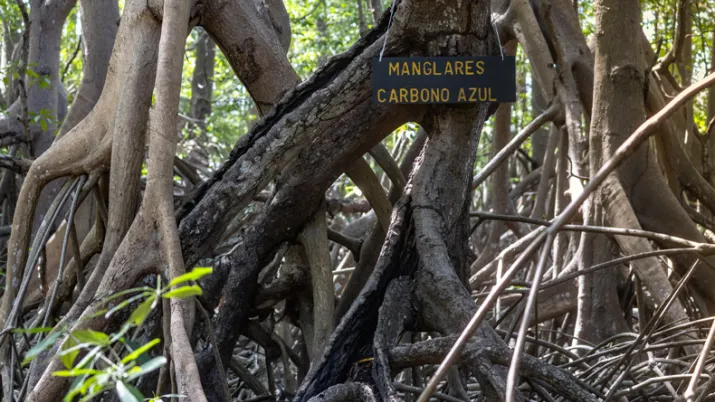
In addition, AFD has carried out several initiatives to support climate change adaptation. These include working with the National System of Conservation Areas (SINAC) to develop a monitoring system for mangroves – a critical ally in protecting against coastal erosion and sea surges. A new phase of the project was launched in 2025 to protect and restore coastal ecosystems with high carbon sequestration potential.
Finally, Proparco is directly financing local stakeholders implementing programs that contribute to the ecological transition.
To help ensure residents have access to reliable and essential services, AFD Group has developed a range of projects. One initiative aims to strengthen 60 Asadas (community-based water management associations) in the Greater Metropolitan Area of San José. The project supports better protection of water resources, improved access to drinking water, and greater resilience of services in the face of climate change.
With the goal of expanding its work in infrastructure and public services – a sector already supported by AFD through the Central American Bank for Economic Integration (CABEI), a key partner in the region – a multi-country credit line was granted to support sanitation and flood control efforts in Puerto Limón.
Through financing the flagship Duo-Diversidad project, led by France’s Sud Provence-Alpes-Côte d’Azur region and Costa Rica, AFD is promoting the exchange of best practices in eco-tourism and biodiversity, as well as water resource management. A second phase of the project will launch in 2026, signed during the Third United Nations Ocean Conference (UNOC3), to support the protection of marine protected areas.
AFD Group’s work in Costa Rica seeks to combine environmental protection with social development to foster more equitable growth.
The second loan in support of the National Decarbonization Plan integrates the principles of a just transition and the cross-cutting promotion of gender equality across cooperation efforts.
To help reduce inequality in the country, a USD 25 million credit line was granted to the public bank Banco Popular to develop a program supporting women’s entrepreneurship and economic empowerment.
Through co-financing regional projects with the Inter-American Development Bank (IDB), AFD has contributed to the implementation of the “Partners” pillar. This initiative promotes the development of public policies in support of older adults, increased participation of women in the labor market, and the fight for equal pay.
As part of its “Civil Society Organizations” window, AFD Group has supported the NGO Ressources humaines sans frontières (Human Resources Without Borders) for several years in efforts to prevent child labor and forced labor. This is complemented by activities led by Expertise France in the country, notably through the Eurosocial and Socieux+ programs.
In the field
Projects

News & Press Releases
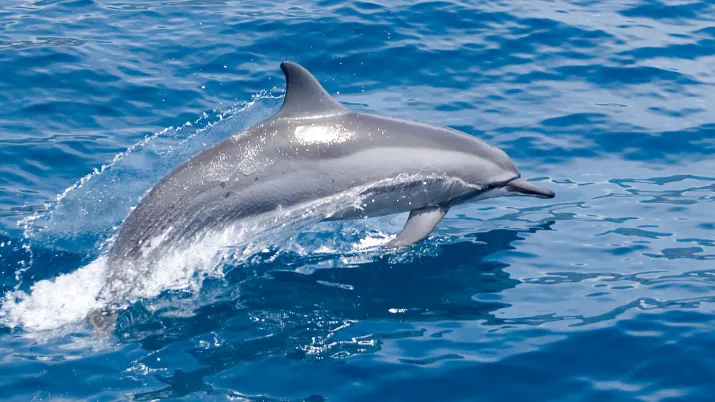

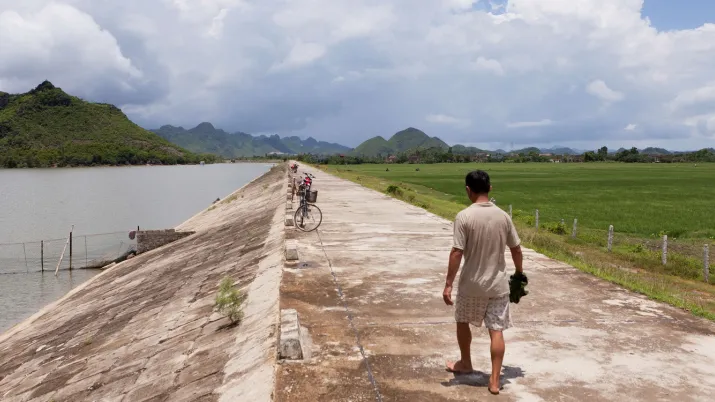
Senegal, Vietnam, Costa Rica: How three Vulnerable Countries are Adapting to Climate Change
Published on November 7, 2022
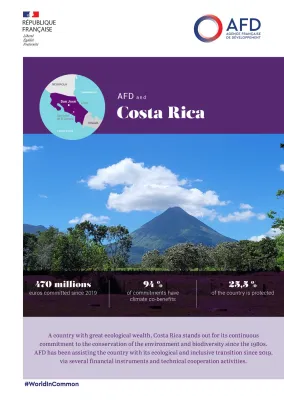
Key figures
-
448 million euros committed since 2019
-
74 % of commitments have climate co-benefits
-
86% of commitments have gender equality co-benefits