
Share the page
Chad
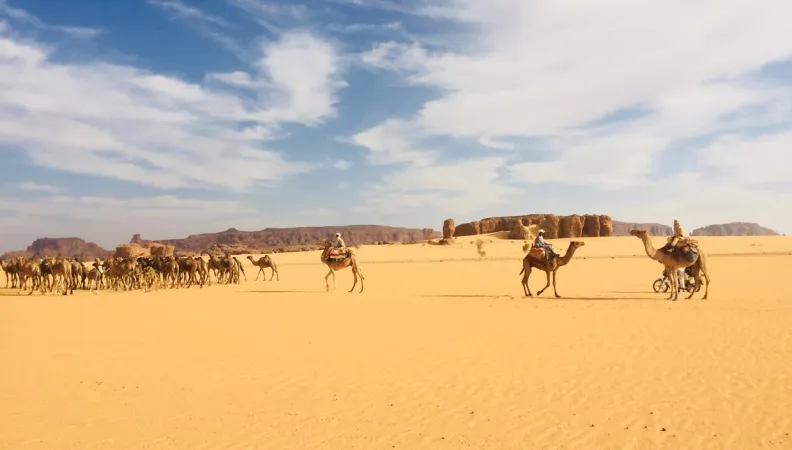
A landlocked Sahelian country, Chad faces both structural and short-term challenges. Its economy, which relies heavily on oil, gold, and agriculture, remains vulnerable to climate shocks. Flooding regularly affects populations, harvests, and the prices of essential goods. AFD has been active in the country for over 60 years, supporting efforts to improve access to essential services, promote rural development, expand employment opportunities for young people and women, and strengthen social cohesion, governance, and institutional capacity.
Context
In line with national priorities set out in the National Development Plan (PND), the latest phase of which ended in 2021, AFD continues its long-term commitment in Chad. As of 2024, its active portfolio – excluding study funds, I-CSO initiatives, and regional projects – includes around 30 projects, representing a total commitment of more than €300 million. Over half of these projects are implemented by non-state project owners.
AFD’s operations are structured around four strategic pillars:
- Supporting youth training and employability through investments across the full spectrum of basic education, vocational training, job integration, and entrepreneurship.
- Expanding access to essential services for the population, particularly in the areas of water, health, and energy.
- Strengthening governance and supporting decentralization efforts to promote territorial cohesion and build local institutional capacity.
- Promoting rural development and climate resilience by supporting family farming and the sustainable management of natural resources.
AFD's Chad office is directly attached to the Greater Sahel regional office in Ouagadougou.
AFD’s office in Chad has been alerted to letters and emails sent to Chadian companies and individuals that fraudulently impersonate AFD. These messages invite companies to apply for a purported entrepreneurship support program in Chad and request the submission of banking and business documents.
As a reminder, under its financing programs, AFD does not directly solicit companies or individuals and never requests money in exchange for information or documentation. AFD urges businesses and individuals to remain highly vigilant and not to respond to these direct solicitations.
Readers are encouraged to consult the following page for more information: Fraud Alert
Our approach
AFD Group and Chad: Supporting people and local development
- Access to and quality of education – AFD contributes to improving learning conditions, strengthening the capacities of education stakeholders, and promoting innovative teaching approaches. Particular attention is given to enhancing the capacity of non-formal basic education centers. AFD is especially committed to gender equity and promotes equal access to education for girls and young women across the entire system.
- Entrepreneurship, job integration, and vocational training are supported through several initiatives, including backing the local association Bet Al Nadjah (which manages the Maison de la Petite Entreprise) and the National Fund for Support to Vocational Training. AFD also supports actions led by NGOs and civil society organizations that contribute to national public policies. With funding from the European Union, AFD is developing a value chain–based approach, with a particular focus on actors in the agri-food sector.
Improving the quality of life for the population is a strategic priority for AFD Group in Chad. Access to basic social services is a key lever for strengthening the resilience of both territories and vulnerable communities.
- Access to water and sanitation – AFD operates in N’Djamena, Moundou, and secondary urban centers to improve access to drinking water, build sanitation networks, install drainage systems, and promote sustainable waste management. These efforts are accompanied by capacity building for local authorities and technical operators to ensure inclusive and sustainable service delivery.
- Access to health care and services – AFD supports the rehabilitation and equipment of health centers and maternity wards, the training of health workers, family planning programs, and awareness campaigns. Special attention is given to women’s and children’s health, malnutrition, and prenatal care.
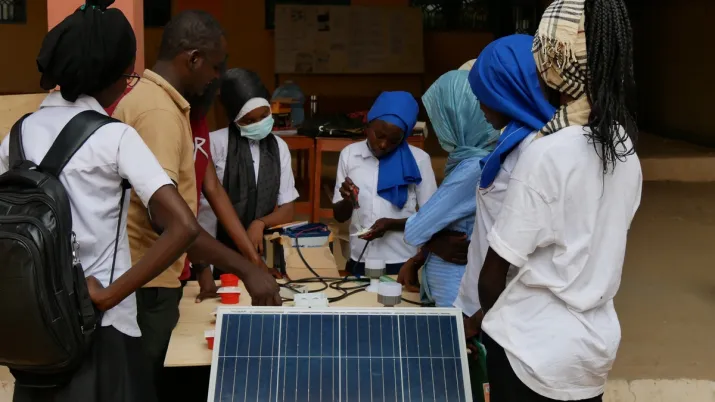
- Access to energy – AFD works to expand electrification in the regions of Ennedi, Borkou, and Tibesti, targeting public facilities and vulnerable households through renewable energy solutions, while also strengthening local capacity. Proparco supports ZIZ Energie in promoting innovative private-sector solutions, such as solar metrogrids.
In the face of the many challenges Chad is facing – including territorial disparities, institutional fragility, and community tensions – AFD places governance at the center of its action. This strategy is built around two complementary pillars implemented through the Integrated Territorial Approach (ATI), which promotes local dynamics and the specific potential of each territory.
- Supporting decentralization while strengthening institutional capacity – By supporting both the central government and local authorities, AFD promotes more autonomous territories capable of planning and managing public investment. Its projects aim to ensure equitable access to essential services, greater transparency in local governance, and dialogue among elected officials, administrations, and civil society. AFD also helps strengthen local institutions by professionalizing public administration, supporting training and planning, encouraging participatory budgeting, and improving information systems.
- Promoting social cohesion – AFD emphasizes social mediation, community dialogue, and peaceful conflict resolution. Its support for local governance processes is grounded in a better understanding of social dynamics, the promotion of civic engagement, and the strengthening of dialogue spaces to foster a more resilient and peaceful social fabric. In this context, AFD deploys a multisectoral project strategy that supports local governance and the resilience of vulnerable populations in fragile and crisis-affected areas of Chad, through the Minka Peace and Resilience Fund.
Rural development is a central pillar of Chad’s economic and social stability, with agriculture employing 80% of the working population. However, extensive farming systems, climate shocks, and resource degradation threaten food security and heighten local social tensions. AFD supports the transition toward a more resilient and inclusive rural model, structured around two main priorities:
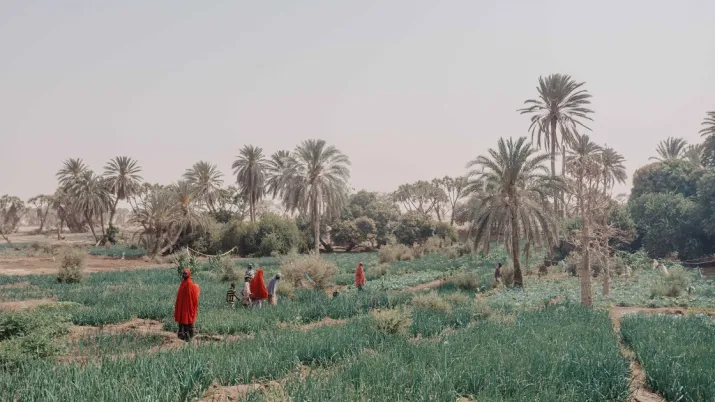
- Supporting local development through farmers’ organizations – AFD works with family farmers by investing in adapted infrastructure that secures water supply and expands cultivable land. It also supports agricultural product processing and market access, with particular attention to women, young people, and nomadic populations.
- Sustainably managing natural resources and protecting biodiversity – AFD promotes joint resource management by supporting local communities and authorities. These efforts include projects that recharge aquifers, reduce resource-use conflicts, and strengthen resilience to climate shocks. AFD also supports the conservation of 276,000 hectares of fragile ecosystems in the southwest, combining biodiversity protection with local development goals.
Discover the full scope of AFD's action in Chad
In the field
Below, find the country's projects, news, publications, and contact details in one click.
Projects

News & Press Releases

Publications & Media
Key figures
-
114 projects financed over the past 10 years
-
€570 million committed over the same period
-
84.3% of projects under implementation since 2019 promote gender equality