
Share the page

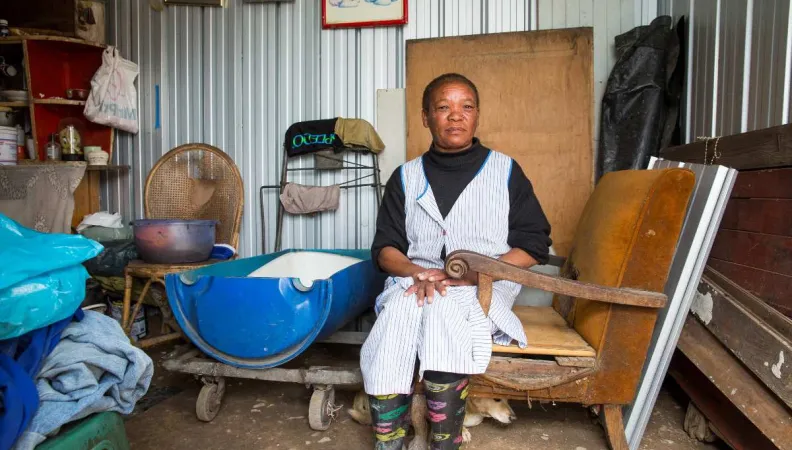
Better living conditions for Cape Town residents
Project

-
Project start date
-
Status
Ongoing
-
Project end date
-
-
Project duration
-
15 years
-
AFD financing amount
-
Rand 2 384 420 000
-
Country and region
-
Location
-
Cape Town
-
Type of financing
-
Beneficiaries
-
City of Cape Town
-
Type of beneficiary
-
Local public authority
AFDis supporting the Municipality of Cape Town, the second largest city in South Africa, to ensure previously disadvantaged populations have access to new infrastructure and basic services such as water, electricity, housing and transportation.
Context
Cape Town’s territorial development strategy is set out in two strategic and urban planning documents: its Integrated Development Plan (IDP) and its Spatial Development Framework.
The IDP, an essential tool for planning and urban planning at the municipal level over 5 years, aims to combine the various national sectoral policies at the local level with cross-cutting actions and to integrate in one place all dimensions of local development. The goals are to make Cape Town a prosperous city, providing efficient and accessible services to all, and to serve its citizens with a well-managed and well-managed administration.
Description
AFD will provide the Cape Town Metropolitan Municipality with global budget support to its IDP in the form of a direct loan, accompanied by technical cooperation. The latter will consist of:
- close monitoring of the community, its financial situation and management, its territorial development strategy and the main related public policies;
- an in-depth dialogue and technical cooperation on policies deemed a priority by the City and the AFD, such as water and sanitation, urban restructuring and social housing.
Impacts
The projects aims to:
- Promote sustainable and integrated urban development;
- Increase access to basic infrastructure on a local level, and especially to transportation, water and sanitation;
- Foster better integration of previously disadvantaged populations in the urban fabric, especially via urban redevelopment policies;
- Foster large South-Africa cities autonomy and improve management of public services.
The project’s expected economic, social and environmental impacts are far-reaching, and include:
- Increase in population life expectancy with the creation of 22,000 jobs per year;
- Improvement of access to basic services for disadvantaged populations, especially water, decent housing, with the rehabilitation of 25% of informal housing districts;
- Creation of 9,000 social housing units per year, and improvement of public transportation supply and urban redevelopment and regeneration;
- Reduction of greenhouse gases, water losses and consumption, as well as urban ecosystems preservation.
Sustainable Development Goals
Clean Water and Sanitation
Goal 6 seeks to achieve universal and equitable access to safe drinking water, hygiene, and sanitation by 2030, especially for vulnerable populations. It also calls for sustainable water management and reducing the number of people affected by water scarcity.
The goal includes the concept of transboundary water management, which is key not only to sustainable governance but also to peace and cooperation.